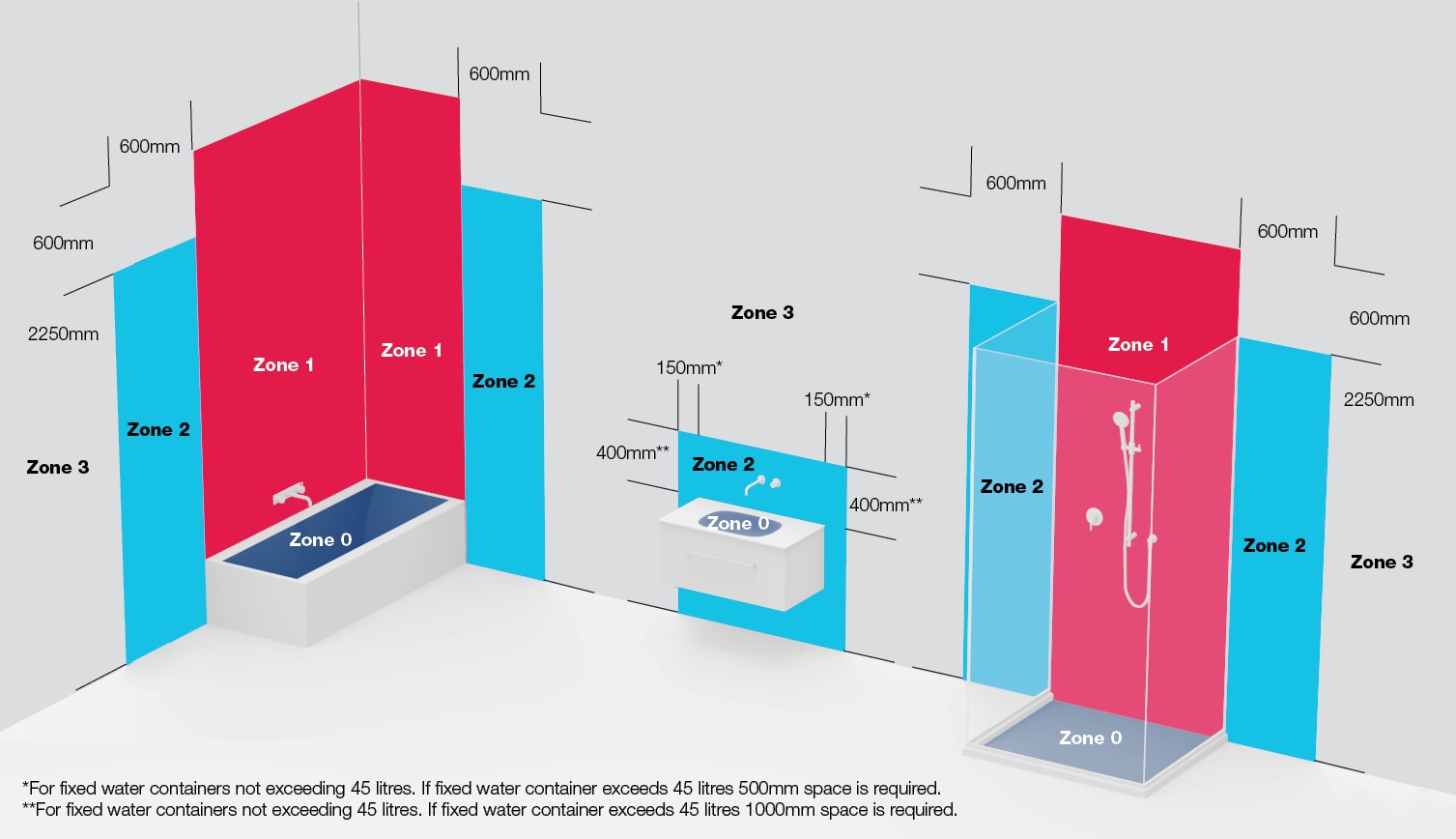
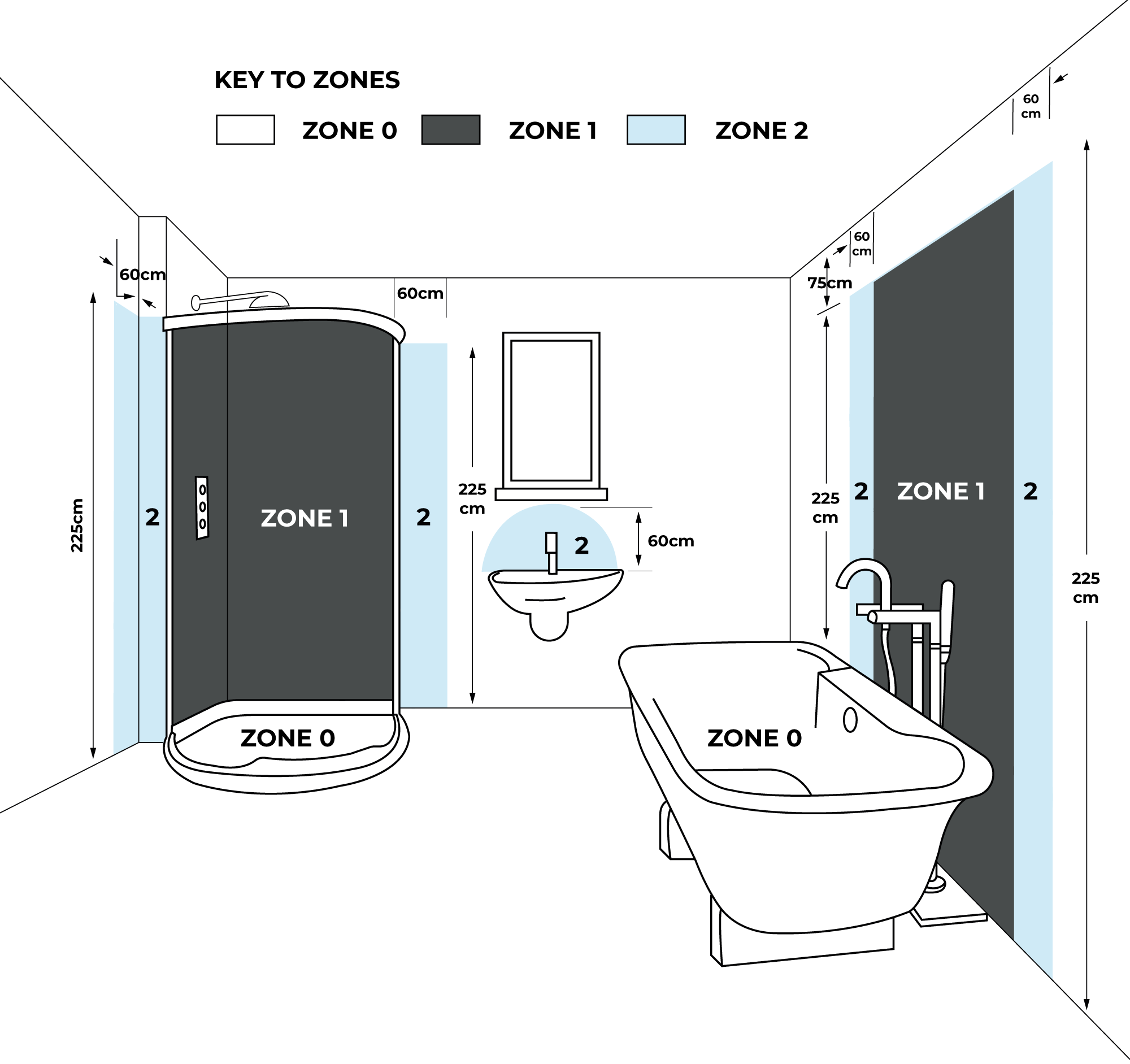
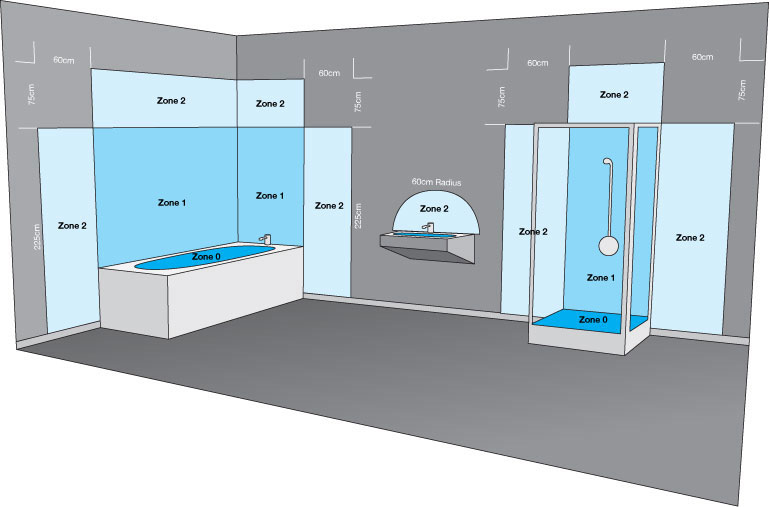
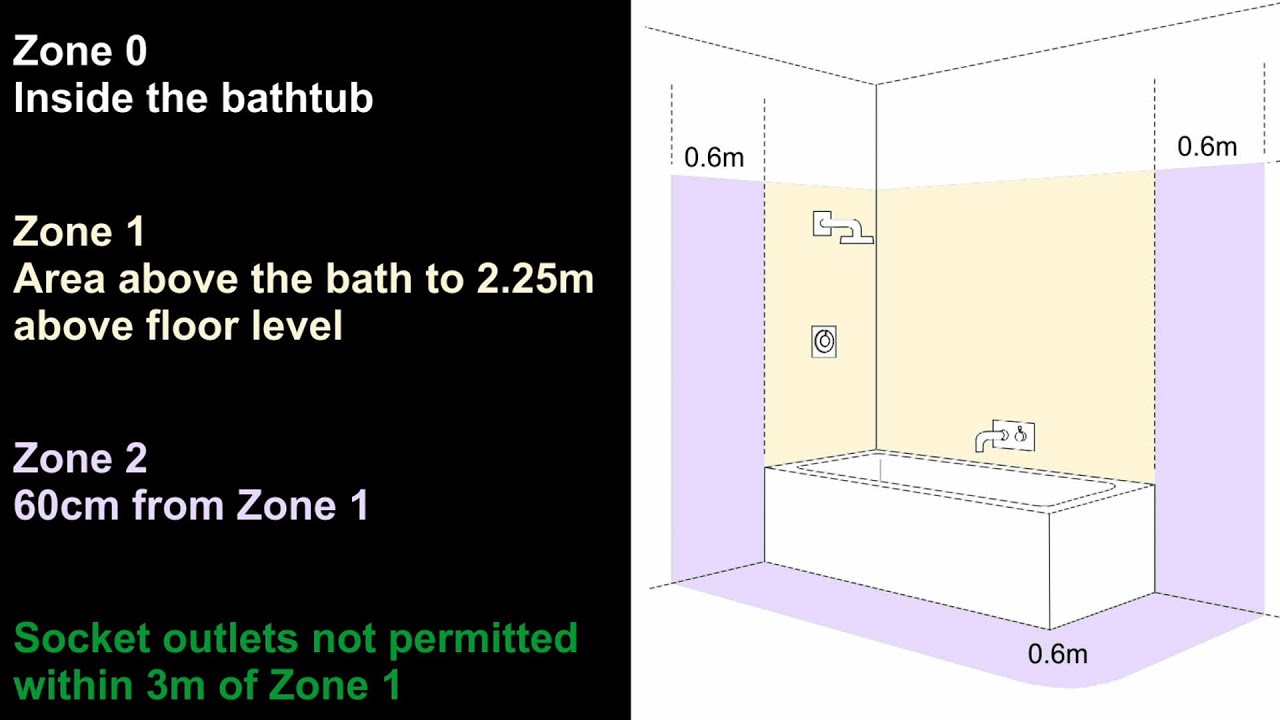
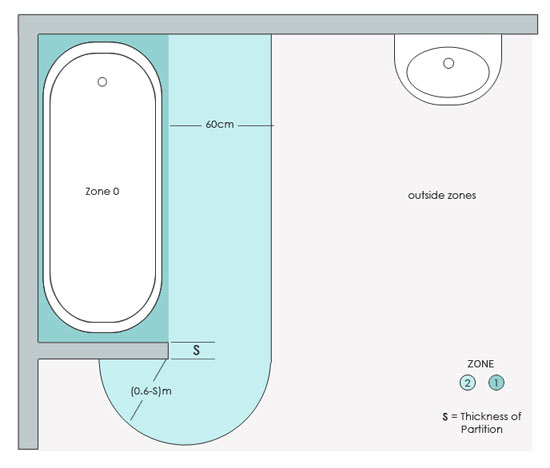
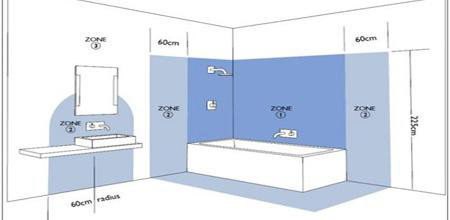
Learn about electrical code requirements for bathrooms, as determined by local jurisdictions or the National Electrical Code (NEC). Learn how to safely install electrics into bathroom zones, showers, or wet rooms using your bs7627 18th edition guide. Bathroom Zone 0 is defined as the interior of the bath or shower basin, where water immersion is constant.
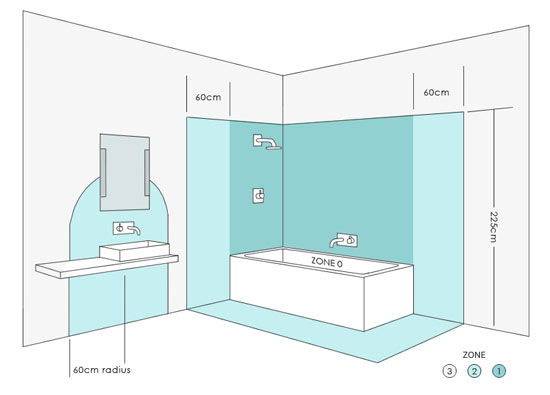
All electrical equipment used in this area must be specifically designed for full immersion in water, meaning fixtures must have a minimum rating of IPX7. Suitable installations in this zone include low. Bathroom Zones Explained Using electrical equipment in bath or shower rooms has always needed care to ensure safety.
Bathroom Zones for Electrical Items - The Guide | Pure Ventilation
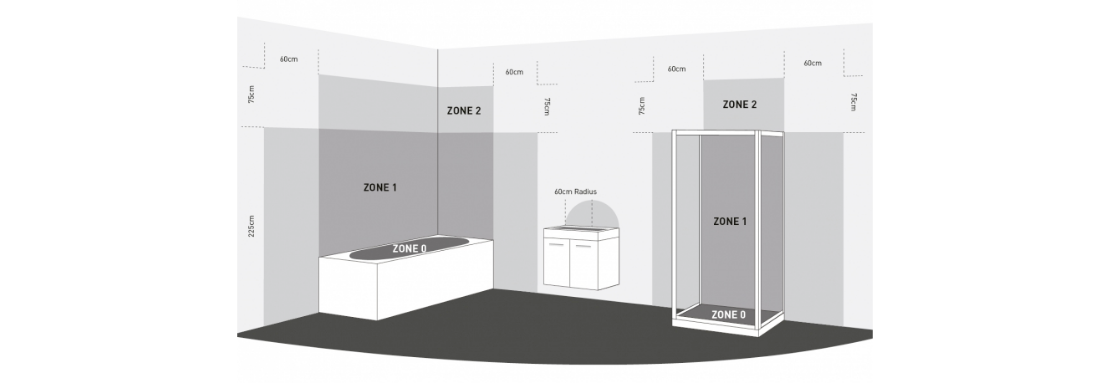
Now the IEE Wiring Regulations (17th Edition) have identified particular zones within the bathroom to indicate what type of electrical equipment can be installed. There are 3-bathroom zones that have been identified by the 18th edition IET wiring regulations and all applicable British standards: Zone 0 - Is defined as any area in a bathroom that can hold water. So, any area inside the bath, basin or shower tray.
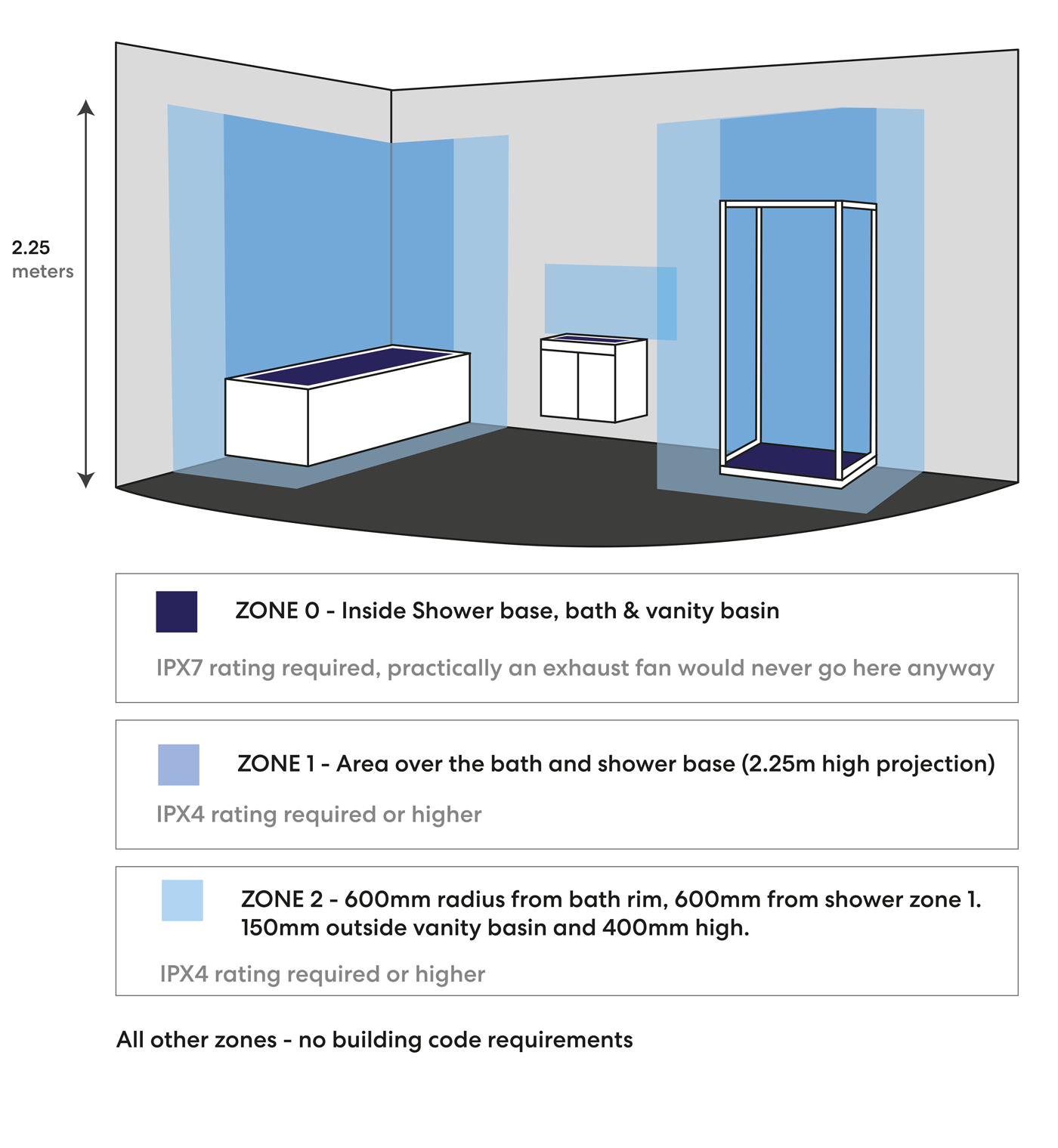
This zone requires a minimum of IPX7 and only 12V SELV equipment should be used. Each element of bathroom wiring regulations, from bathroom zones to IP ratings and GFCI protection, works in concert to ensure comprehensive safety. Furthermore, many homeowners mistakenly believe that standard household outlets are permissible in bathrooms if placed strategically.
Bathroom Electrical Regulations (UK) | Everything You Need To Know
Bathroom Circuits A basic wiring plan for a bathroom includes a 20-amp, GFCI-protected circuit for the receptacles and a 15-amp general lighting circuit for the switches, light fixtures, and vent fan. In some areas, the lighting and receptacles must be on separate circuits so that if a receptacle trips the circuit breaker, the lights won't go. Understand bathroom electrical zones, their safety guidelines, and how they prevent hazards by regulating electrical installations in wet and dry areas.

When planning to wire a bathroom, it's crucial to adhere to specific electrical wiring regulations designed to prioritize safety in wet and damp environments. Learn how to wire a bathroom with a typical wiring diagram. Find out the correct placement and connections for outlets, switches, and lighting in a bathroom.