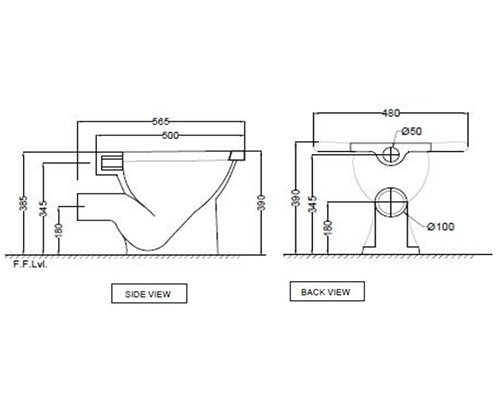
as per Indian Standards IS 1172: 1993 Water closet (WC) Requirements For residential Public Staff: 1 per 8 persons omitting occupants of the room with attached water closets; minimum of 2 if both sexes are lodged For public rooms (male): 1 per 100 persons up to 400 persons and for over 400, add at the rate of 1 per 250 persons or part thereof. मानक Whereas the Parliament of India has set out to provide a practical regime of right to information for citizens to secure access to information under the control of public authorities, in order to promote transparency and accountability in the working of every public authority, and whereas the attached publication of the Bureau of Indian Standards is of particular interest to the. Over the past years, the Government of India and few State Governments had published several publications (guidelines, standards, manuals, norms, etc.) on 'Public and Community Toilets'.

3. Sample designs for community toilets with accessible toilet cubicles in rural context Design Sample. 9) Chee ae per each ge, nk NOTE - Some WCs maybe Indian sy f esi 'Table 13 Fruit and Vegetable Markets (Clause 4.2.5.1) Bee 'Shop Owners 'Common Tollesin Market Fable Toilet for Flatng ~ lin epaltion Male Fenlee 'ine Female Male Females o @ ® @ o.

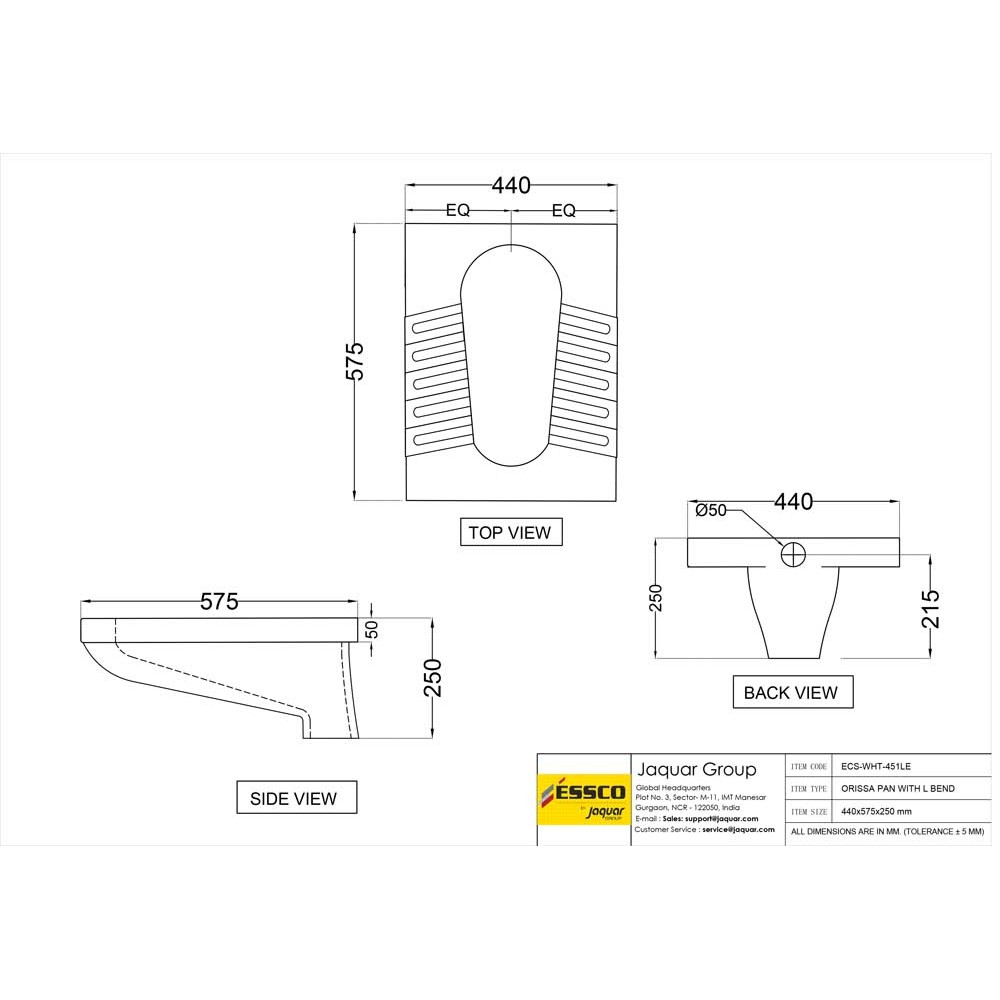
Essco Orrisa Pan - Indian Toilet Seat with L Bend & Extension
o ® 7 Water eanas [pat orparerat Tiaras frag 1pers) pers 2feri6i035 2forist25 (ati. CPHEEO (2018). Advisory on public and community toilets Central Public Health and Environmental Engineering Organisation, Ministry of Housing and Urban Affairs, Government of India Filter / Tags Practitioners Guidelines and manuals English Advisory on Public and Community Toilet_published Nov 2018 Type: application/pdf Size: 6.24 MB Download.
The provision of adequate and appropriate sanitary facilities is a crucial aspect of building design and construction, and is regulated by the National Building Code (NBC) of India. The NBC provides guidelines for the minimum number of toilets required in buildings based on the type of building, occupancy, and number of occupants. This helps ensure that there is adequate and appropriate.

Indian sanitation systems - squat toilets - Nordic Asia Impact
The paper outlines a modeling methodology employed to study environmental needs which can be used for developing environmental standards. It concludes with environmental specifications for universal bathroom and toilet for Indian use. Having access to safe and usable toilet facilities is a critical component of public health and safety.

India has long struggled with very low levels of sanitation, significantly worse than many comparable countries. In 2000, only 14% of India's population had access to at least a basic sanitation facility [1] - placing it behind much poorer countries in Sub-Saharan Africa, such as Somalia. It also mentions recommended size of toilet cubicles, bath rooms, urinals, washing area etc.
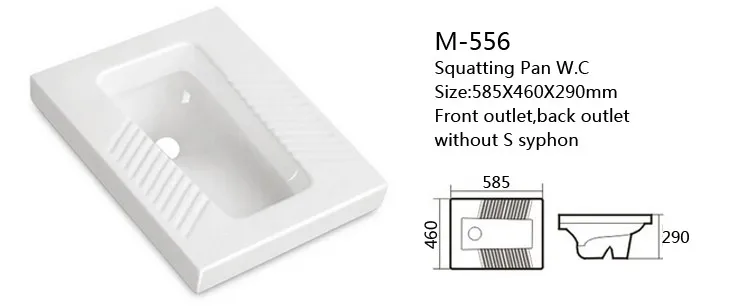
Gravity S Trap Indian Toilet, Size/Dimension: 21", 23" at ₹ 800 in Pune
There are several guidelines on public/ community toilets released by the Ministry of Urban Affairs, Government of India and some state governments. All guidelines follow the same Standards of BIS 1993.